
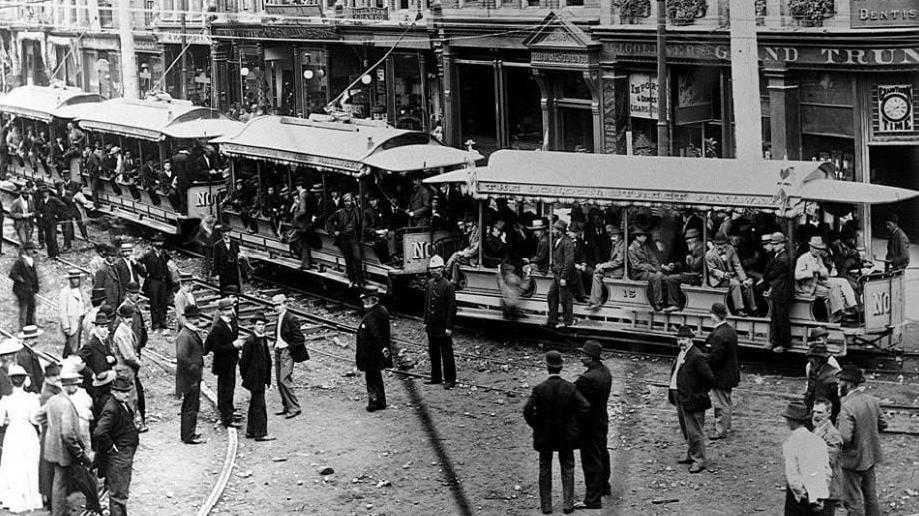
Londoners used to hop on a streetcar at Dundas and Richmond, ride through downtown, and end up in Port Stanley for an evening by the lake. That’s not some transit fantasy – it actually happened here over 80 years ago.
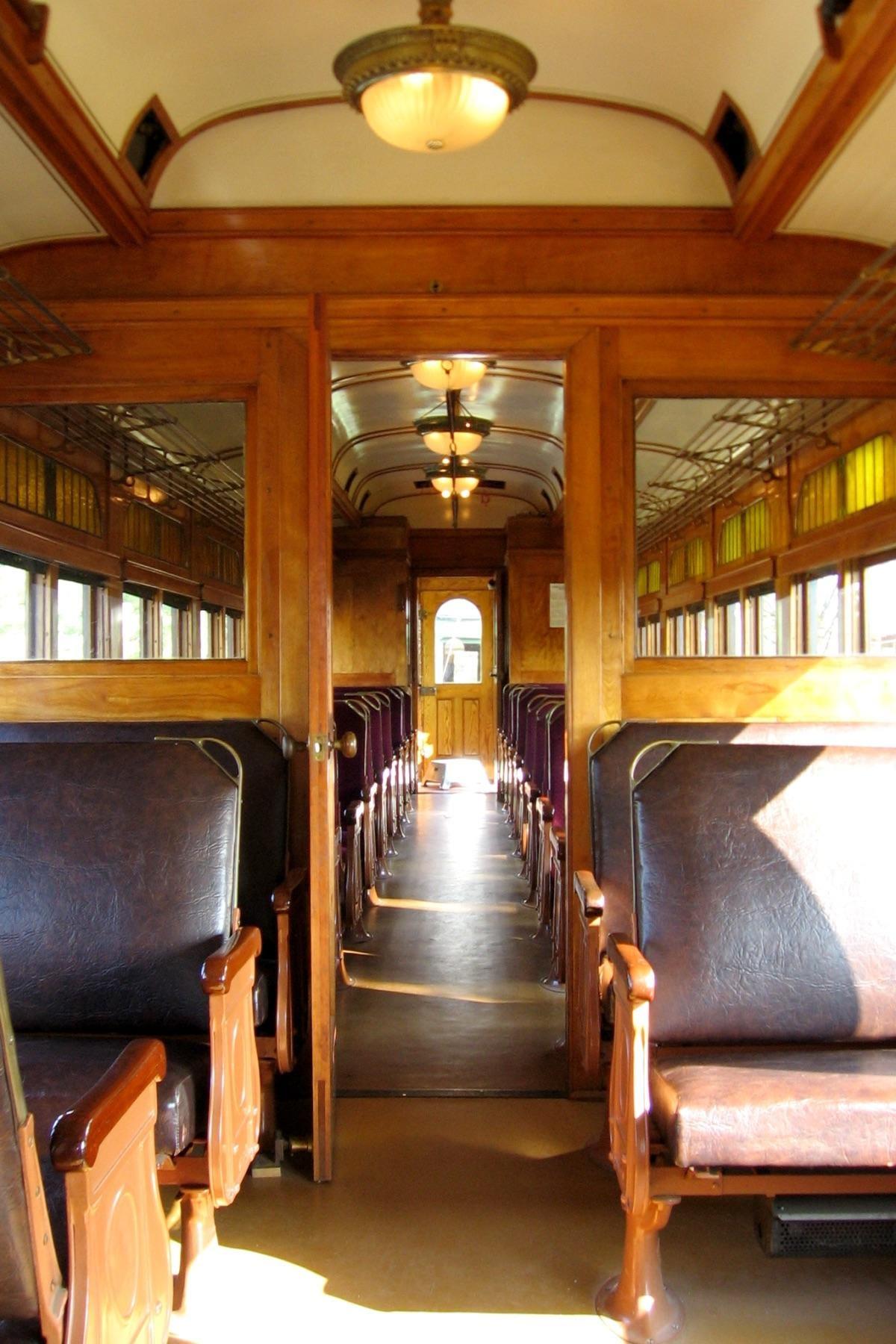
A recent discussion on the London Ontario subreddit has people wondering if ditching the rails was London’s biggest transportation mistake. The city’s forgotten streetcar system is getting a second look, and residents aren’t happy about what they’re comparing it to.
London’s streetcar network was no small thing. The system connected downtown to neighbourhoods across the city, with one route stretching all the way to Port Stanley. One Reddit user shared that their great-grandfather operated a streetcar in London and never bothered getting a driver’s licence. When the city switched to buses, he refused to adapt and became an inspector instead, standing at Dundas and Richmond with his Waltham pocket watch to make sure buses ran on time.
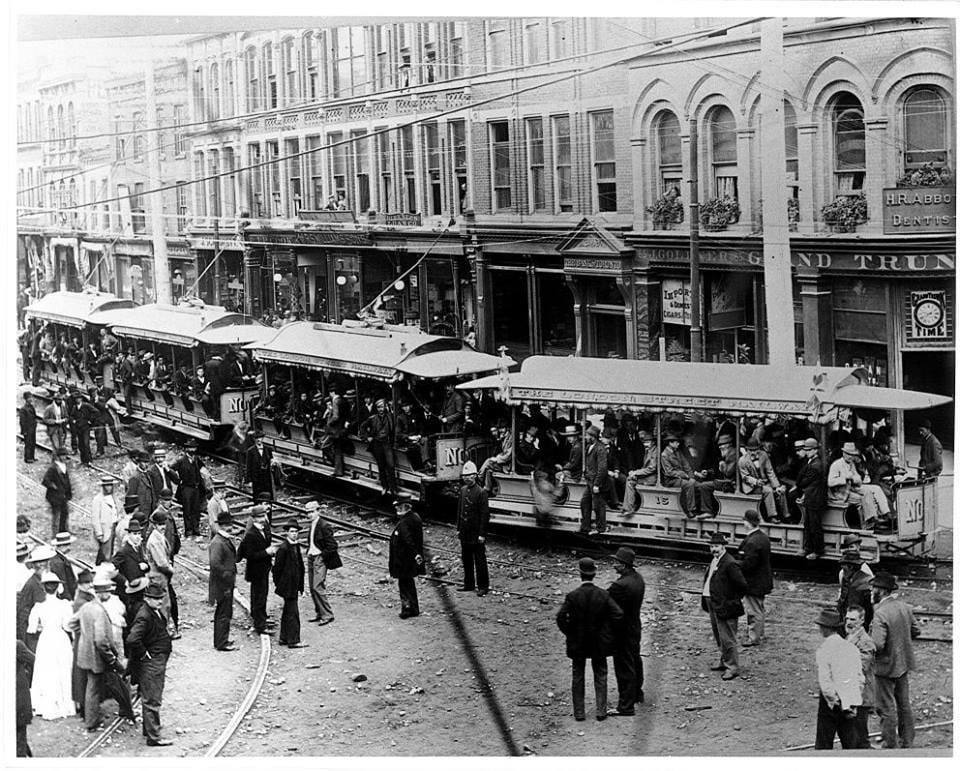
The streetcar era ended around 1940, reportedly after a massive snowstorm knocked the system out. But locals are questioning whether that’s the whole story. Several residents pointed to petroleum companies and the automotive industry, suggesting the push toward car dependency was part of a broader North American trend that prioritized roads over rails.
Wortley Village is basically a perfect example of what streetcar-era planning looked like. The neighbourhood has a walkable shopping street surrounded by mixed-use buildings, single-family homes, schools, and low-rise apartments all integrated together. It’s the kind of community design that would actually be illegal to build today under London’s current zoning policies.
London is currently dealing with traffic congestion, sprawl, and transit problems that have residents comparing the city unfavourably to places like Toronto (which kept its streetcars) and Kitchener-Waterloo (which recently introduced LRT). One commenter noted that London is the fourth-largest city in Ontario but ranks 20th in population density, meaning tax dollars don’t stretch as far because services have to cover more ground.
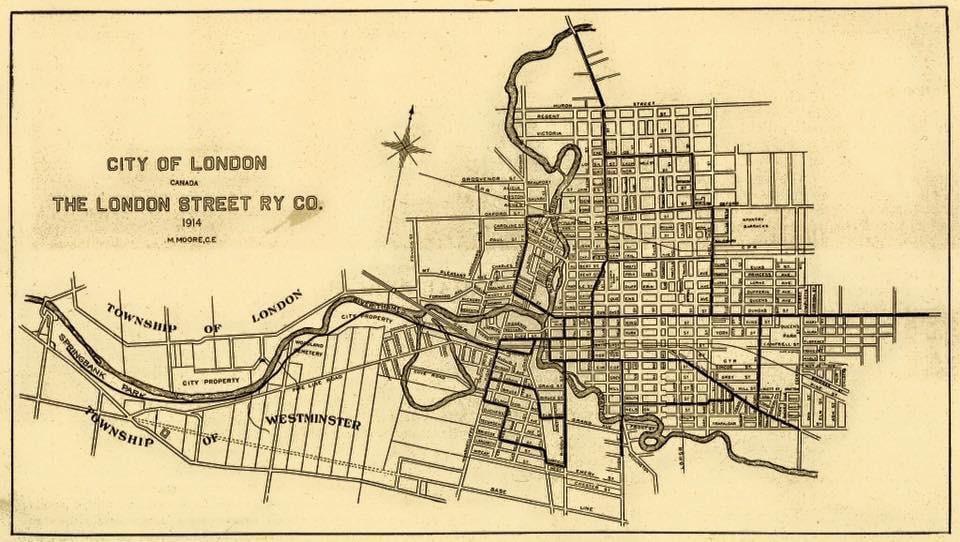
Historical maps from 1926 show just how extensive the network was, with tracks running throughout downtown and extending to various neighbourhoods. The London Transit Commission confirms the streetcar system operated until 1940, well before GM started manufacturing buses in London in 1961.
People are talking about what could have been. A 30-minute train to Port Stanley after work. Dedicated streetcar lanes that bypass London’s increasingly brutal traffic. Some pointed out that Kitchener-Waterloo’s LRT project actually uncovered buried sections of original streetcar tracks during construction.
Some residents argue that buses offer more flexibility than fixed rail. Others say London’s car-centric development has created exactly the kind of sprawling, inefficient city that streetcars were designed to prevent. The debate touches on housing density, downtown revitalization, and the environmental impact of car dependency.
The discussion reflects broader frustration with London’s current transit system, with residents regularly complaining about service reliability and coverage. The city continues to grow outward rather than up, creating longer commutes and putting more pressure on road infrastructure that’s already struggling.
What do you think – was scrapping the streetcars London’s biggest transit mistake?